
Norwegian Buhund
ConfidentAlertFriendly
Norway · 12–15 years
About the Norwegian Buhund
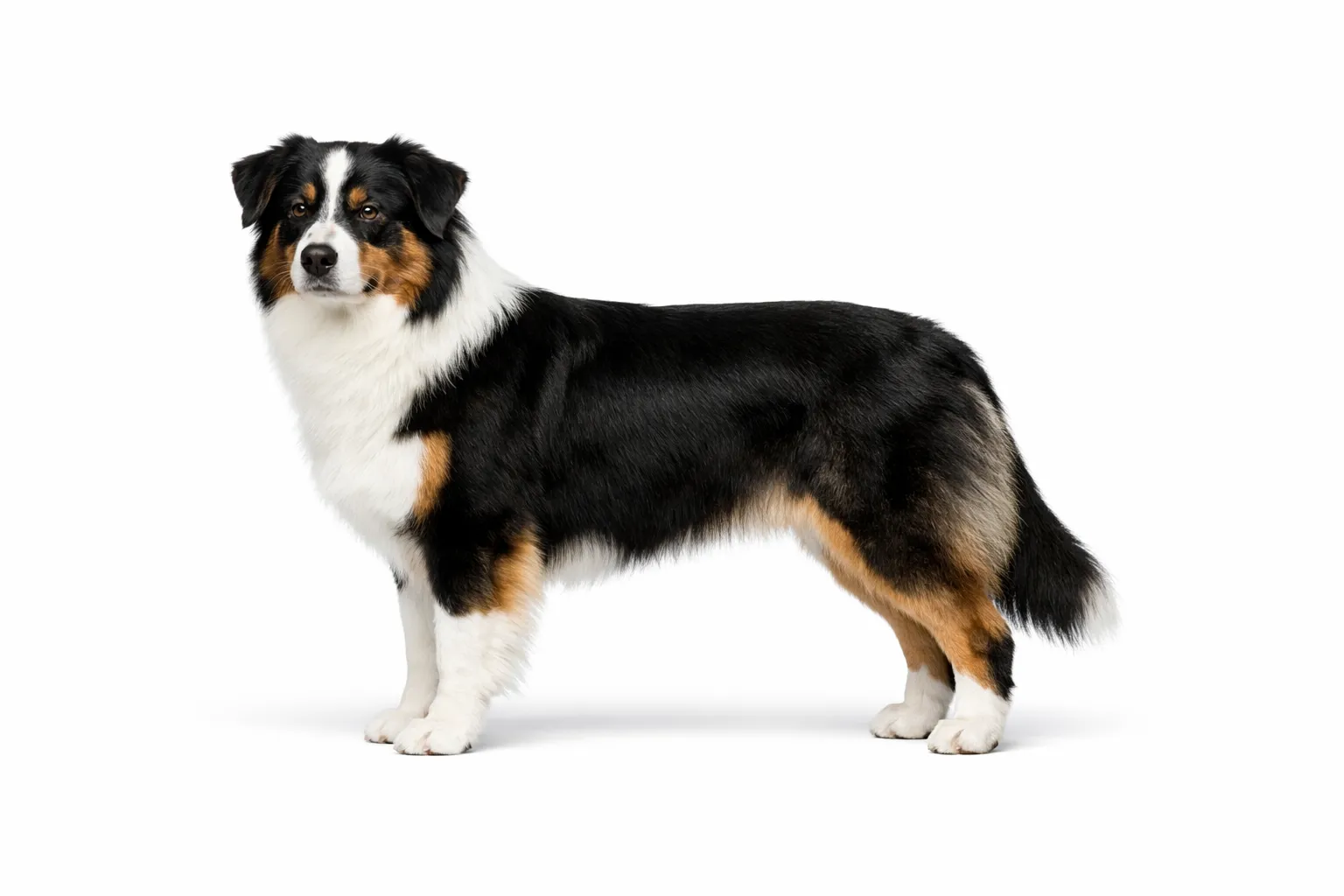
The Norwegian Buhund is a versatile spitz-type herding breed that has been a Norwegian farm dog for over a thousand years — Viking-era archaeological sites have yielded Buhund skeletons buried alongside their owners. The name 'bu' means farm or homestead in Norwegian. Buhunds herded livestock, guarded property, and hunted bears and wolves alongside their Viking masters. They are energetic, cheerful, and remarkably versatile dogs with a wheaten or black coat, curled tail, and alert, fox-like expression. Norwegian Buhunds are friendly, confident, and eager to please, making them one of the more trainable spitz breeds.
Breed stats
- Height
- 16–18.5 in
- Weight
- 26–40 lbs
- Lifespan
- 12–15 years
- Group
- Herding
- Coat
- Dense, thick, short to medium double coat
- Origin
- Norway
Coat colors
- Wheaten (pale cream to bright orange)
- Black
Temperament & ratings
Compatibility
Exercise & feeding
Daily exercise
45–60 min
per day recommended
Daily food
1–2 cups
high-quality dry food
Common health issues
- Hip dysplasia
- Eye problems
- Von Willebrand's disease
- Hypothyroidism
- Epilepsy
Not every Norwegian Buhund will develop these conditions, but awareness helps with early detection. Regular veterinary checkups and choosing a responsible breeder who health-tests their dogs are the best preventive measures.
Can Norwegian Buhunds eat...
- Can dogs eat blueberries?Safe
- Can dogs eat grapes?Toxic
- Can dogs eat bananas?Safe
- Can dogs eat chocolate?Toxic
- Can dogs eat watermelon?Safe
- Can dogs eat cheese?Caution
- Can dogs eat almonds?Caution
- Can dogs eat apples?Safe
Frequently Asked Questions
- Norwegian Buhunds are excellent family dogs. They are friendly, patient, and wonderful with children — they genuinely enjoy the energy and attention that kids provide. Their moderate size and sturdy build make them manageable yet robust enough for active play. They are sociable with other dogs and generally welcoming to visitors. Their eagerness to please makes them more trainable than many spitz breeds. The main considerations are their tendency to bark and their shedding. For active families who can provide daily exercise and tolerate some barking, Buhunds are loyal, cheerful, and deeply devoted companions.
- Norwegian Buhunds are moderately to highly vocal. They bark to alert, to communicate, and sometimes seemingly out of excitement or boredom. Their herding heritage involved using voice to move livestock, and this instinct carries into daily life. They are reliable watchdogs but can be excessive barkers without training. Teaching a 'quiet' command early and providing adequate exercise and mental stimulation significantly reduces unnecessary barking. They are not the quietest breed for apartment living, but they are less persistently vocal than some other spitz breeds.
- Yes, Norwegian Buhunds have strong historical connections to the Vikings. Archaeological evidence confirms that spitz-type dogs closely resembling modern Buhunds were buried alongside their Viking owners in ship burials dating to the 10th century. The Gokstad ship burial (c. 900 AD) contained the remains of six dogs believed to be Buhund ancestors. The Vikings valued these versatile dogs for herding livestock, guarding homesteads, and hunting. Buhunds likely accompanied Vikings on their voyages across the North Atlantic, potentially influencing dog breeds in Iceland, Britain, and beyond.
Similar breeds



Explore all dog breeds
DogDataHub covers 199+ breeds with full profiles, health info, and compatibility ratings.
Browse all breeds