
Icelandic Sheepdog
CheerfulFriendlyInquisitive
Iceland · 12–14 years
About the Icelandic Sheepdog
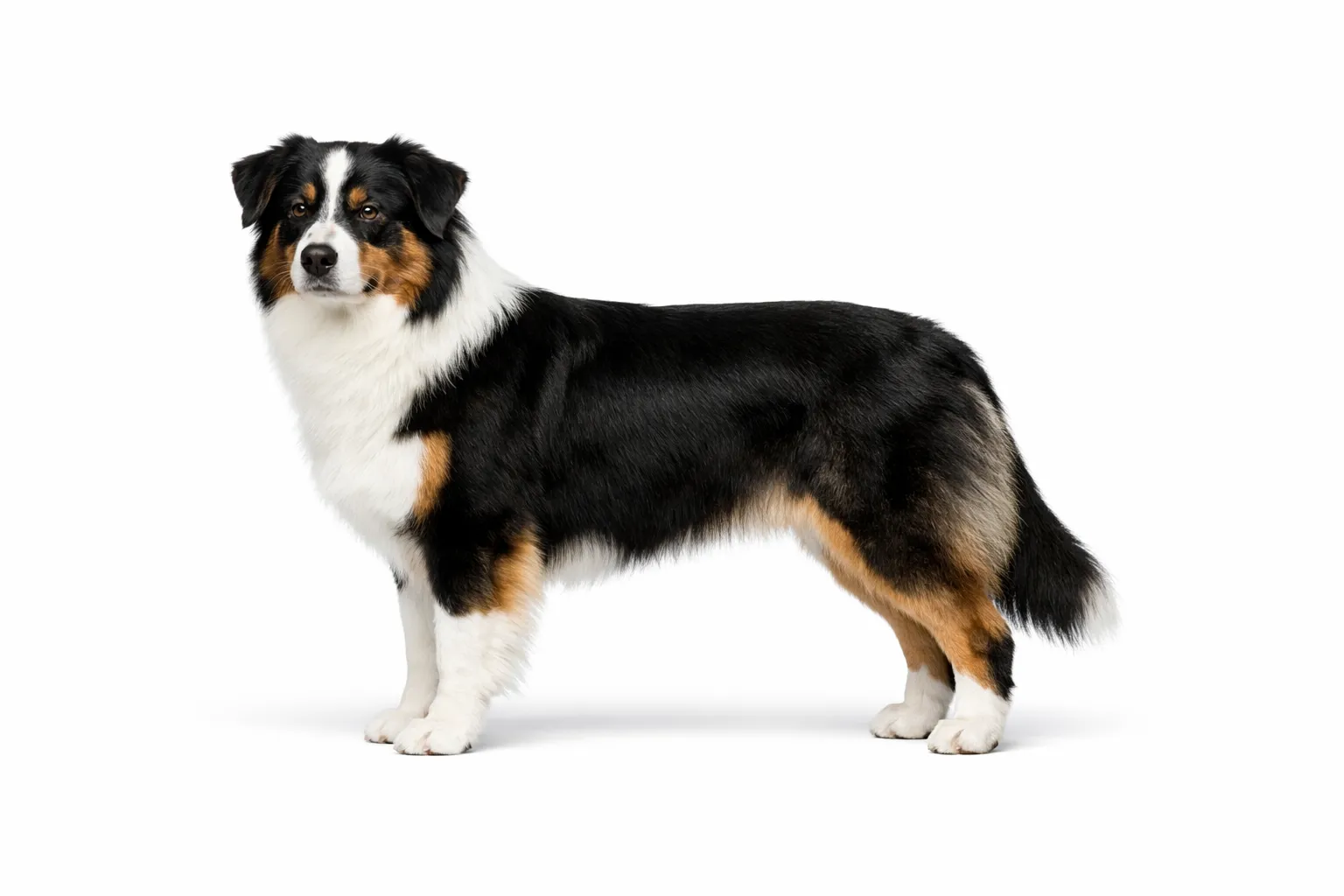
The Icelandic Sheepdog is Iceland's only native dog breed, brought to the island by Viking settlers over 1,100 years ago. They are the ancestors of several other Nordic spitz breeds and have been an essential part of Icelandic farming life for centuries, herding sheep, cattle, and horses across Iceland's rugged, volcanic landscape. Icelandic Sheepdogs are cheerful, friendly, and remarkably hardy, with a dense double coat and curled tail typical of spitz breeds. They nearly went extinct multiple times but were saved by dedicated breeding programs. They are Iceland's national treasure and a living link to Viking heritage.
Breed stats
- Height
- 16.5–18 in
- Weight
- 25–30 lbs
- Lifespan
- 12–14 years
- Group
- Herding
- Coat
- Double coat — long or short variety, thick and weatherproof
- Origin
- Iceland
Coat colors
- Tan
- Chocolate Brown
- Gray
- Black
Temperament & ratings
Compatibility
Exercise & feeding
Daily exercise
45–60 min
per day recommended
Daily food
1–1.5 cups
high-quality dry food
Common health issues
- Hip dysplasia
- Patellar luxation
- Cataracts
- Distichiasis
- Cryptorchidism
Not every Icelandic Sheepdog will develop these conditions, but awareness helps with early detection. Regular veterinary checkups and choosing a responsible breeder who health-tests their dogs are the best preventive measures.
Can Icelandic Sheepdogs eat...
- Can dogs eat blueberries?Safe
- Can dogs eat grapes?Toxic
- Can dogs eat bananas?Safe
- Can dogs eat chocolate?Toxic
- Can dogs eat watermelon?Safe
- Can dogs eat cheese?Caution
- Can dogs eat almonds?Caution
- Can dogs eat apples?Safe
Frequently Asked Questions
- Icelandic Sheepdogs are quite rare, especially outside Iceland and Scandinavia. The worldwide population is estimated at only a few thousand dogs. The breed nearly went extinct multiple times — a distemper epidemic in the late 1800s devastated the population, and by the mid-20th century, very few remained. Dedicated breeding programs in Iceland, Scandinavia, and later North America have slowly increased numbers. Finding a puppy in the US typically requires a waiting list with one of the small number of dedicated breeders. Prices range from $2,000 to $3,000 reflecting their rarity.
- Yes, Icelandic Sheepdogs are vocal dogs. They use barking as their primary herding tool — they bark to move livestock, alert shepherds, and communicate. This instinct transfers to domestic life, where they bark at visitors, unusual sounds, birds, and anything that catches their attention. Their bark is sharp and carrying. Training can help manage excessive barking, but some vocalization should be expected and accepted as part of the breed's character. They are not ideal for noise-sensitive environments, though they are less persistently vocal than some other herding breeds.
- Icelandic Sheepdogs are outstanding family dogs. They are cheerful, friendly, and exceptionally good with children — patient, playful, and gentle with kids of all ages. They get along well with other dogs and are generally welcoming to visitors after an initial alert bark. Their moderate size, hardy constitution, and adaptable nature make them manageable for most families. They need daily exercise and mental stimulation but are not as demanding as some high-drive herding breeds. For families who enjoy outdoor activities and can tolerate barking, Icelandic Sheepdogs are loyal, joyful, and deeply devoted companions.
Similar breeds



Explore all dog breeds
DogDataHub covers 199+ breeds with full profiles, health info, and compatibility ratings.
Browse all breeds